A lead is simply a person who has shown some interest in your product or service, whether that’s a homeowner filling in a form or someone clicking an ad for a quote. On paper, more leads should mean more sales. In reality, most trade businesses that buy leads in bulk find the opposite happens: bigger spend, more wasted calls, and a sales team that spends half its day chasing people who never wanted to speak to them in the first place.

If you’ve bought leads before and been disappointed with the results, you’re not doing anything wrong by wanting more opportunities. The problem usually isn’t effort; it’s the type of lead you’re buying. Figuring out how to improve lead quality doesn’t mean giving up on paid leads altogether; it means being far more selective about where they come from and how they’re handled before they ever reach your sales team.
That process starts long before a salesperson knocks on a door. It starts with how the lead was generated, how quickly it was followed up, and whether anyone actually checked that the person on the other end wants, needs, and can afford what you’re selling.
Why Leads Matter To Your Business
Whether they come from your own marketing or from a third-party supplier, leads are how trade and home improvement businesses generate revenue. Organic enquiries take time and consistent investment to build, which is why so many installers and contractors turn to bought leads to keep the pipeline moving. Even when the return on those leads is inconsistent, many businesses keep buying because the alternative, having no leads at all, feels riskier.
It’s also a genuinely crowded market. Home improvement leads are sold by hundreds of suppliers at wildly different prices and standards, and because the term covers everything from a gutter clean to a full solar install, the price on the invoice tells you very little about what you’re actually getting.
The issue isn’t that buying leads is a bad strategy. It’s that most of what’s sold as a “lead” is a name, a number, and a postcode with no real qualification behind it. Understanding how to improve lead quality means recognising that not all leads are created equal, and that the wrong kind of volume can cost you more than it earns you.
What Actually Makes A Lead Bad?
Not every lead that comes through the door is worth chasing. A handful of common issues tend to separate a genuinely useful enquiry from one that wastes a rep’s afternoon.
Leads That Have Gone Cold
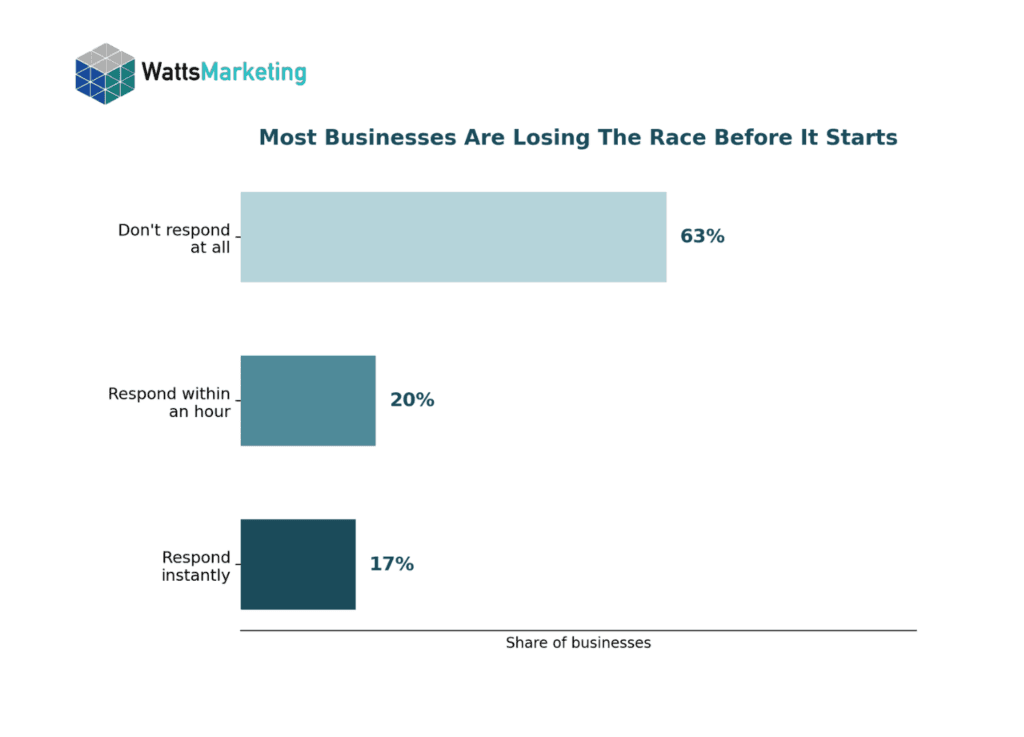
Interest fades fast. Someone who filled in a form three days ago has likely moved on, been contacted by five other companies, or forgotten they enquired at all. Research into response times backs this up: businesses that contact a new enquiry within five minutes are dramatically more likely to actually qualify that person than those who wait even 30 minutes, and companies that take 24 hours or longer to respond see their odds of success collapse. When leads are bought in bulk and passed through several hands before a call is made, that window has usually already closed.
Leads That Have Been Shared
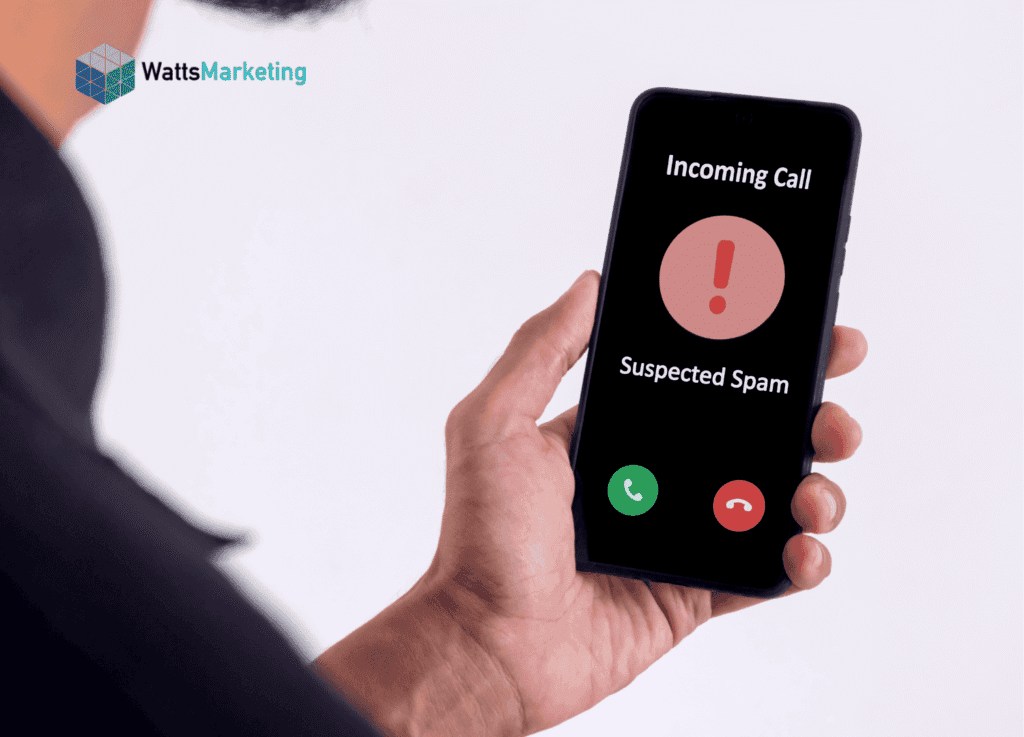
Many “exclusive” lead lists aren’t exclusive at all. The same enquiry gets sold to multiple businesses, sometimes including your direct competitors. By the time you call, the homeowner has already spoken to two or three other companies, is tired of the sales pitch, and is comparing you on price alone rather than value.
Leads With No Real Screening
A raw enquiry only tells you someone typed their details into a form. It doesn’t tell you whether they own their home, whether they can actually afford the work, or whether they were even the person who filled the form in. Without qualification, you’re working blind. Window leads all look the same on a spreadsheet whether the homeowner wants one misted unit replaced or the whole house done, and those are two completely different jobs at two completely different values. Your rep only finds out which one it is after they’ve arrived.
Why Raw Leads Almost Always Disappoint
If you’ve bought unqualified or bulk leads before, some of these will sound familiar:
- Website forms with barely any information attached
- Duplicate or shared enquiries sent to multiple businesses at once
- Homeowners who submitted their details to several companies looking for quotes to compare
- Incorrect or disconnected phone numbers
- Fake or bot-generated submissions
- People who were “just looking” and never intended to buy
What A High-Quality Lead Actually Looks Like
A genuinely high-quality lead isn’t just interested; it’s informed and ready. With a properly qualified, exclusive booked appointment, the homeowner already knows who is coming to see them, why, and roughly what to expect from the conversation. They’ve confirmed they own the property, that they can afford the work, and that both decision-makers will be there on the day.
That’s a very different starting point to a cold name on a spreadsheet. Instead of spending the first ten minutes of a visit explaining who you are and why you’re there, your rep can go straight into the conversation the homeowner is already expecting to have.
Why Qualifying Leads Matters So Much
Skipping qualification might feel like it saves time, but it usually just moves the cost further down the line. Buy leads without checking who’s behind them, and you’re not investing in sales opportunities; you’re buying a spreadsheet of names and numbers with no idea who’s actually interested, who can afford your product, or who’s even still living at the address.
That gap gets filled by your sales team instead, who end up doing the qualifying on the doorstep, in real time, often after driving out to the appointment. If the homeowner isn’t ready, doesn’t have the budget, or was never genuinely interested, that’s a wasted visit and a wasted day. Multiply that across a team chasing bulk leads every week and the true cost of skipping qualification becomes obvious.
Qualification Matters More Than Volume
Ten poor enquiries are worth less than two properly qualified ones, and the maths backs this up. Buy 100 raw leads and, if 99 of them don’t know why you’re calling or have no real interest in your service, that’s close to the entire budget wasted on calls that were never going to convert. Compare that to one exclusive, qualified appointment where the homeowner has already confirmed they’re ready to go ahead, has the means to pay for it, and is expecting your call. That single appointment is worth far more than a stack of names nobody’s spoken to.
This is the core of how to improve lead quality in practice: shift the focus from “how many leads can we buy” to “how many of these people are actually going to say yes.” Fewer, better conversations consistently outperform a high volume of cold ones.

The Watts Marketing Way
This is exactly the gap Watts Marketing was built to close. We run one of the largest fully compliant call centres in the UK, and every enquiry we generate goes through a detailed screening process before it’s ever offered to a business, including a 265-point script covering around 30 separate questions to the homeowner. That process checks things like ownership of the property, financial suitability, and genuine readiness to go ahead, so by the time an appointment lands in your diary, the groundwork has already been done.
We don’t sell raw data or shared enquiries. We generate interest through our own websites and trusted partners, qualify every person by phone, and then book them straight into your calendar as an exclusive, booked qualified appointment. There’s no list to work through and no guesswork about whether someone is worth calling. All you need to do is turn up and have the conversation the homeowner is already expecting.
We also run a full returns process, so if something doesn’t stack up once you’re on-site, it’s not simply written off as the cost of doing business. If you succeed, so do we, and that only happens when the appointments we hand over are genuinely worth your time.

The Takeaway
If leads have let you down in the past, the answer usually isn’t to buy more of them; it’s to be far more selective about where they come from. Cold, shared, and unscreened leads waste time, money, and morale, while a smaller number of properly qualified appointments consistently deliver better results. Learning how to improve lead quality isn’t about chasing volume; it’s about only speaking to genuinely ready homeowners, informed, and expecting your call.
That’s the difference between a spreadsheet of names and a diary full of appointments worth showing up to. If you’re ready to stop buying cold leads and start receiving exclusive, booked, qualified appointments for your business, get in touch with the Watts Marketing team today to find out how it works.