What Double Glazing Advertising Is Really Buying You
Advertising buys attention. Someone sees your van, your leaflet, your Google ad or your Facebook post, and weeks later, when they finally get fed up with the draught in the back bedroom, they think of windows, and they think of you. That is worth paying for.
What it does not buy is a sat appointment. An enquiry is a name, a number and a rough idea that someone might want new windows at some point. Between that enquiry and a signed order sits a phone call nobody answers, a partner who was never consulted, a budget that turns out to be half what the job costs, and a diary slot only one of them can make.

Most window companies measure their double glazing advertising by how many enquiries it produced. That number goes up when the advertising gets broader and vaguer, which is the opposite of what you want.
The Channels Window Companies Actually Use
Google Search Ads
Someone typing “double glazing quotes near me” is already in the market, which makes search the most valuable traffic you can buy. It is also the most expensive, because every installer in your county and three national brands are bidding on the same words. Search captures demand that already exists. It will not create any. The most common way to waste money here is broad match keywords quietly spending your budget on window cleaning, window repairs and people researching prices with no intention of buying this year.
Meta Ads
Facebook and Instagram put you in front of homeowners who were not looking for you. That works when the creative shows a problem they recognise, condensation running down a bedroom window in January, rather than a photograph of a nice window on a nice house. Cost per enquiry is usually lower than Google. The enquiries are colder because nobody went looking for you, so expect to work harder on the phone.
Leaflets, Local Press And Radio
Written off too quickly by people who judge them on the phone ringing the week they land. Their real job is familiarity. A homeowner who has seen your name three times in the parish magazine is far more likely to click your Google ad six months later. Measure these on whether people have heard of you, not on direct response.
Vans, Signage And Job Boards
The cheapest double glazing advertising a window company already owns. A clean, clearly branded van parked outside a job for three days is seen by an entire street, and an entire street of houses the same age as the one you are working on is exactly your customer. A board in the front garden costs almost nothing and does the same work.
Directories And Quote Comparison Sites
Fast volume, and tempting when the diary is thin. The catch is in the model. The same enquiry normally goes out to three or four companies, so you are in a race to ring first and a price fight after that. Homeowners on those sites are often collecting quotes rather than buying, which is why conversion rates run low even when the enquiry count looks healthy.
Canvassing
Still works in the right postcodes with the right team. It is expensive to run properly, difficult to staff, and it puts your reputation in the hands of whoever knocked on the door. Firms that do it well treat it as a long-term operation rather than something to switch on when work dries up.
Why Windows Are Harder To Advertise Than Most Trades
Four things stack up against a window company that do not apply to a plumber or an electrician.

- It is a considered purchase running into thousands of pounds, so nobody buys off the back of one advert.
- Two people usually have to agree, so a single enquiry is half a decision at best.
- The consideration period runs weeks or months. The advert that started it is long forgotten by the time anyone orders.
- You are bidding in the same auctions as national brands with budgets no regional installer can match.
Weather sits on top of all of that. Draughts and condensation only become visible in the first proper cold snap, so enquiry volume tracks the temperature more closely than the calendar. Budget spread evenly across twelve months is budget wasted in July.
Advertise The Trigger, Not The Window
Homeowners do not go looking for a casement window in a particular profile. They act on something that has started to bother them. The living room is draughty. They are sick of wiping condensation off the glass every morning. The energy bill went up again. They are thinking about what the house would be worth. The back door does not feel as secure any more.
Adverts built on the trigger beat adverts built on the product, every time. In practice, that means the image and the first line should describe the problem the homeowner already has, not the specification of the frame you want to sell them. Comfort and money land harder with this audience than energy ratings and environmental messaging, whatever the brochure says.
The same logic applies to everything else you publish. Content marketing for glazing suppliers tends to fail when it reads like a product catalogue. Pages that answer the question a worried homeowner is actually typing will out-earn a page of technical specification for years.
The Three Numbers Worth Tracking
Cost per enquiry. What you paid for a name and a phone number. Useful for comparing one advert against another and almost nothing else.
Cost per appointment sat. What you paid to get someone actually in front of a surveyor, with both decision makers in the room. Most installers cannot produce this figure, which is why most installers cannot tell you whether their advertising works.
Cost per install. What you spent on advertising for every job that ended up on the van. The only one of the three that pays wages.
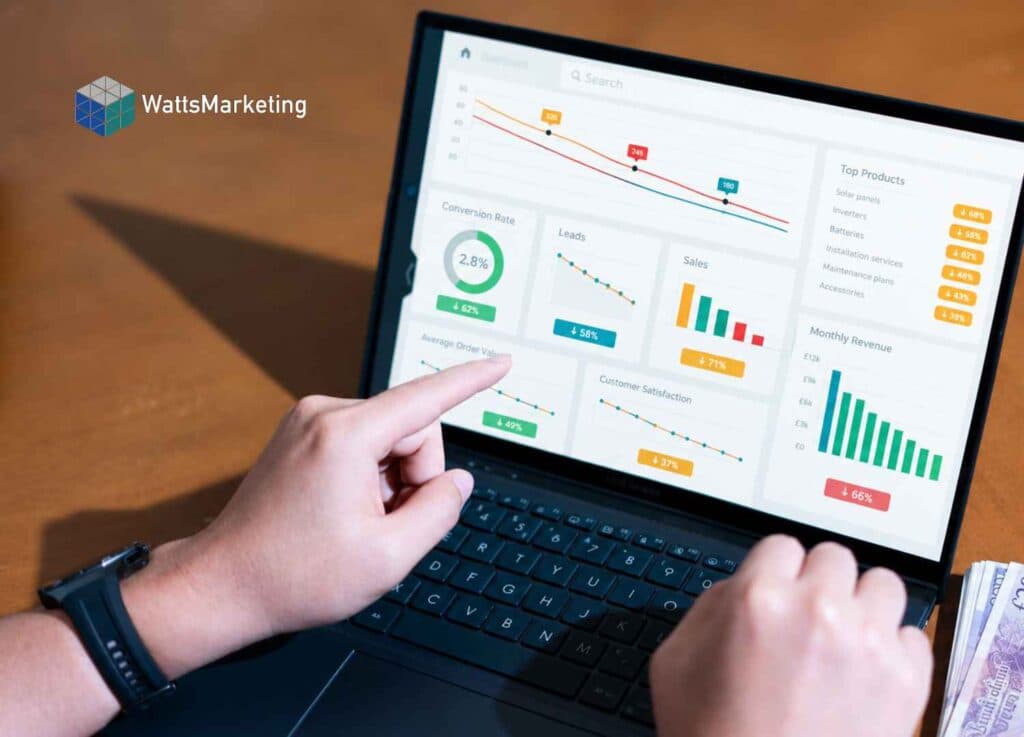
Work it back from the orders rather than forward from the clicks. A channel producing enquiries at twenty pounds a time and installs at two thousand is a worse channel than one producing enquiries at eighty pounds and installs at six hundred. The cheap enquiry is only cheap until you count the diesel.
Where The Money Leaks Between The Advert And The Order
Every installer loses jobs in the same four places, and none of them are the advert.
- The enquiry is not called back quickly enough, and by the time someone rings, two other firms have already booked a visit.
- The call comes from an unknown number, so it goes unanswered, and nobody tries again.
- The enquiry was sold to several companies at once, so the homeowner has been rung four times in an hour and has stopped picking up.
- The appointment is booked with whoever answered the phone, and the person who controls the money is out when the surveyor arrives.
Fixing those four costs nothing in advertising spend. It is the cheapest work available to a window company, and it is almost always worth more than another thousand pounds on Meta.
Where Booked Qualified Appointments Fit
Watts Marketing sells booked qualified appointments. That means something specific, so it is worth spelling out. Enquiries come in through our own websites and partner sites. A call centre speaks to every homeowner and qualifies them against a thirty-nine-point script check, covering whether they own the property, whether the job is suitable, what they are actually looking to spend and whether both decision makers will be there. Only then does an appointment go into an installer calendar, at a time the homeowner has agreed to.

Every appointment goes to one company. It is never sold to two or three installers at once, and no data is passed on. Watts has run that one model since 2015 and delivered more than 414,000 appointments on it.
This is not a replacement for advertising. The two jobs are different. Advertising is how a local name becomes familiar over years, and switching it off to save money is how companies quietly disappear from their own patch. Booked qualified appointments are how the diary fills next week while the advertising does its slower work.
The Takeaway
Keep the van clean, keep the name visible locally, and keep the search ads running on the terms that genuinely convert. Stop judging any of it on enquiry counts. Start counting appointments sat and installs won per thousand pounds spent, and most advertising decisions make themselves.
For the gap between what your advertising produces and what your fitters can actually get through, booked qualified appointments are the fastest way to close it.